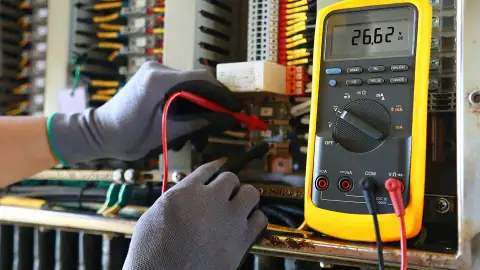

Outdoor and Landscape Lighting Planning in Chicago
A useful outdoor lighting plan begins with paths, entrances and the places you want to illuminate. Fixture selection, wiring, controls and maintenance access should support that layout.

Browse the current guides for troubleshooting, electrical capacity, EV charging, generators, permits and project preparation. Each article explains what information to gather, which assumptions to avoid and what to confirm for the property before work begins.
Start with Electrical Repairs for Damaged or Faulty Components, Electrical Panel, Circuit & Service Upgrades or EV Charger Installation for Homes & Businesses.
A useful outdoor lighting plan begins with paths, entrances and the places you want to illuminate. Fixture selection, wiring, controls and maintenance access should support that layout.

The cost of replacing knob-and-tube wiring depends on how much remains active, where it runs and how the work can be accessed. A property-specific assessment is more useful than an unsupported citywide price range.
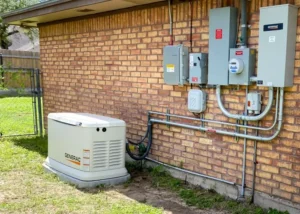
Compare natural gas and propane using the site’s available fuel supply, the selected generator’s specifications and your backup goals. Neither fuel is the automatic answer for every property.
Choose service capacity from an electrical load assessment and the equipment you plan to use. The number printed on a panel, the size of the house and spare breaker spaces do not answer the question by themselves.
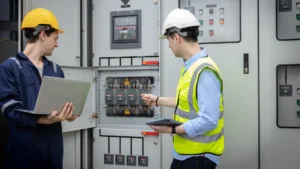
Compare commercial electrical contractors on project fit, scope and coordination—not just the bid total. An operating business, tenant build-out and new installation have different access and approval requirements.
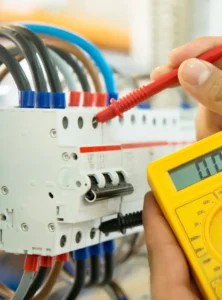
Flickering lights and repeated breaker trips are symptoms, not a diagnosis. The affected area, equipment in use and timing help an electrician distinguish a fixture problem, circuit fault or possible supply issue.
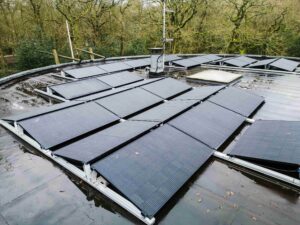
Once an assessment identifies a need for panel work, the next decisions are scope, approvals and disruption. A panel replacement and a service-capacity increase are not necessarily the same project.
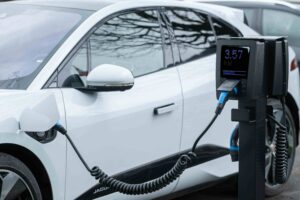
Once the charger location and required approvals are established, focus on site access, installation and handover. This checklist covers that stage rather than repeating the permit application guide.

A commercial charging project needs more than a residential charger multiplied by the number of spaces. Establish who will use the chargers, how access is controlled and who will operate the system.
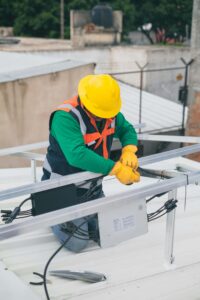
Evaluate battery backup by the equipment it can support and the required runtime. Storage capacity, output power and the home’s electrical arrangement all matter.
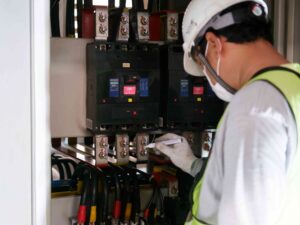
Request a panel assessment when you have a specific concern about condition, recurring electrical symptoms or planned equipment. Be clear whether you need a contractor’s evaluation or an inspection required by a permitting authority.

A rewiring project starts by establishing what wiring is present, what needs replacement and how it can be accessed. The building’s age alone does not define the full scope.

A home with solar needs an equipment-specific backup design. Do not assume its inverter, battery and proposed generator can operate together simply because each supplies electricity.
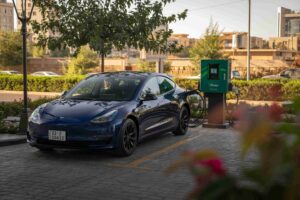
Northbrook’s published EV guidance calls for permits and inspections and provides separate checklists by property type. Start with the checklist that matches your installation, not an assumed approval time or fee.
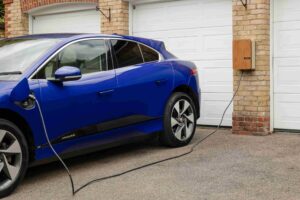
Before buying a charger, gather the vehicle specifications, parking details and electrical information needed for an installation assessment. Preparation can prevent purchasing equipment that does not suit the property.

Use the same questions with each contractor so you can compare scope, responsibilities and cost. Ask for answers that apply to your project rather than relying on general marketing promises.
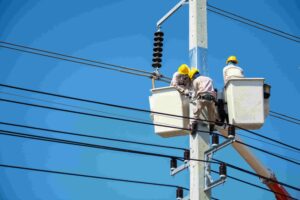
For smoke, fire, an electrical injury or an immediate threat, leave the area and contact emergency services. Do not wait for a contractor enquiry to be answered.

A higher winter bill can reflect more electricity used, a different rate or a longer billing period. Check those separately before paying for an electrical upgrade intended to solve the wrong problem.
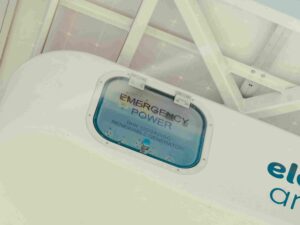
Choose backup power around the loads you need and the interruption you can tolerate. A generator, battery system and small uninterruptible power supply solve different problems.
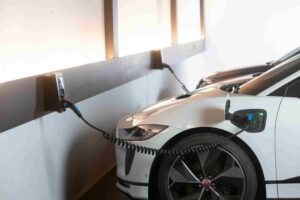
EV charging, smart lighting and backup power are useful only when they solve an actual property need. Treat a new product as a planning question, not proof that an existing electrical system is obsolete.

Repeated trips, unusual heat or visible damage need professional assessment, but they do not automatically establish that a larger electrical service is the solution. First distinguish a fault from a capacity requirement.

Start winter energy planning with the equipment using electricity and how long it runs. Lighting, portable heaters and new electrical loads are different problems; replacing an electrical panel alone does not make appliances use less energy.
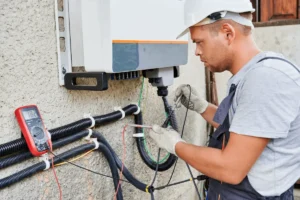
The generator purchase price is only one part of a backup-power project. Ask for a scope that identifies electrical work, site work and responsibilities assigned to other trades.

Choose an electrical contractor using a clear scope, relevant qualifications and an explanation of how the work will be completed. A broad claim of being the best is not evidence for your project.
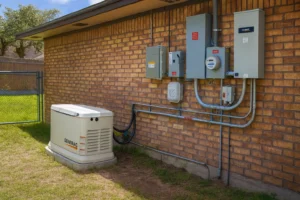
Check local generator placement and noise requirements for the property before selecting a location. A single statewide decibel figure is not a substitute for the rules administered by the relevant authority.
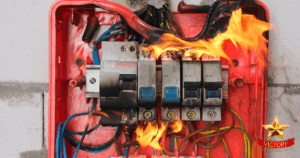
Smoke, fire, shock injury and an immediate electrical threat call for emergency assistance. Other warning signs still need prompt professional assessment rather than repeated resets or improvised repairs.
Separate time spent installing the equipment from the full project timeline. Assessment, permits, equipment availability and inspection can take place outside the installation visit.
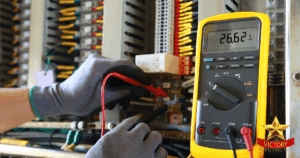
Electrical work ranges from diagnosing a fault to rewiring or upgrading a service. A single price range for all of those jobs is misleading. Compare the work included, not just the total.

Check the electrical permit requirements with the authority responsible for your Illinois address before installing a charger or changing its supply circuit. There is no single municipal application that covers every Illinois property.
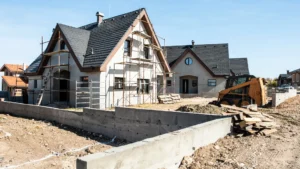
Northbrook publishes generator permit requirements covering application documents, drawings and inspections. Use the current property-specific packet before finalizing the installation location.
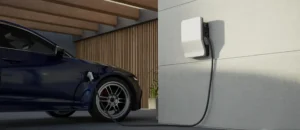
“80%” can refer to two different things: the vehicle’s battery charge target or electrical continuous-load sizing. A battery percentage is not a circuit setting, and the two should not be used interchangeably.
A standby generator is worth evaluating when outage disruption justifies the installation and ongoing ownership costs. The decision should start with essential loads and site feasibility, not a promise of higher resale value.

A useful EV installation quote separates the charger from electrical work and property-specific requirements. A single average cannot show whether a particular home needs circuit work, excavation or a capacity change.
A useful EV installation quote separates the charger from electrical work and property-specific requirements. A single average cannot show whether a particular home needs circuit work, excavation or a capacity change.
A standby generator is worth evaluating when outage disruption justifies the installation and ongoing ownership costs. The decision should start with essential loads and site feasibility, not a promise of higher resale value.
“80%” can refer to two different things: the vehicle’s battery charge target or electrical continuous-load sizing. A battery percentage is not a circuit setting, and the two should not be used interchangeably.